


Jak działają maszyny do elektrokardiogramu
-
 2024-01-15
-
LEPU


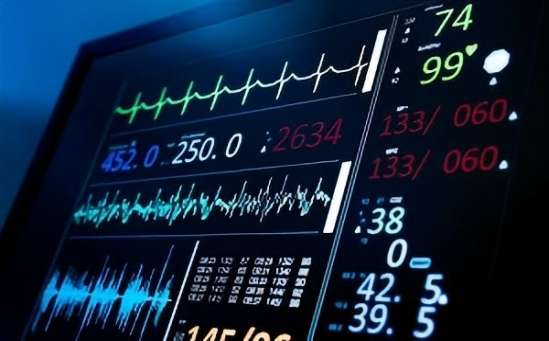
Maszyny do elektrokardiogramu (EKG) zrewolucjonizowały dziedzinę kardiologii, umożliwiając pracownikom służby zdrowia precyzyjne i dokładne diagnozowanie i monitorowanie różnych chorób serca. Ten post na blogu ma na celu rzucenie światła na wewnętrzne funkcjonowanie aparatów do elektrokardiogramu, zgłębiając ich podstawowe zasady i znaczenie we współczesnej opiece zdrowotnej.
Zrozumienie podstaw maszyn do elektrokardiogramu (EKG)
Electrocardiogram machines, often referred to as EKG or ECG machines, are medical devices used to record the electrical activity of the heart. They play a crucial role in diagnosing heart diseases and arrhythmias by detecting any abnormalities in the heart's electrical signals.
The primary component of an ECG machine is a set of electrodes that are attached to different parts of the patient's body, typically the chest, arms, and legs. These electrodes act as sensors and pick up the electrical signals generated by the heart's conductive tissues.
Badanie procesu analizy EKG krok po kroku
Once the electrodes are in place, the ECG machine records the electrical signals and converts them into graphical representations called electrocardiograms. These waveforms are then interpreted by healthcare professionals to identify any irregularities in the heart's functioning.
Proces analizy EKG składa się z następujących kluczowych kroków
Akwizycja sygnału
The electrodes capture the electrical impulses generated by the heart, which are then transmitted to the Elektroniczna maszyna EKG. Maszyna zapewnia, że sygnały są przesyłane dokładnie i bez żadnych zakłóceń lub szumów.
Wzmocnienie sygnału i filtrowanie
Maszyna EKG wzmacnia i filtruje zarejestrowane sygnały, aby zwiększyć ich klarowność. Ten krok usuwa niechciany hałas lub artefakty, zapewniając precyzyjne i wiarygodne wyniki.
Konwersja sygnału i wyświetlanie
The amplified and filtered signals are converted into a visual representation using a graphical display. Electrocardiograms are typically presented as a series of waves, each representing different phases of the heart's electrical activity.
Interpretacja
The healthcare professional analyzes the electrocardiogram to assess various aspects of the heart's function, including the rate and rhythm of the heartbeat, the presence of any abnormalities, and indicators of heart conditions such as myocardial infarction or arrhythmias.
Znaczenie maszyn elektrokardiograficznych we współczesnej opiece zdrowotnej
Elektrokardiogram jest istotnym narzędziem w diagnozowaniu i monitorowaniu różnych chorób serca. Jego znaczenie polega na zdolności do dostarczania podstawowych informacji pracownikom służby zdrowia, ułatwiając wczesne wykrycie i odpowiednie leczenie.
ECG machines aid in diagnosing conditions such as atrial fibrillation, myocardial infarction, ventricular arrhythmias, and many other cardiac abnormalities. They also play a crucial role in assessing patients' response to medications or cardiac interventions, allowing for timely adjustments or interventions when needed.
Podsumowując, aparaty do elektrokardiogramu są niezbędnymi urządzeniami we współczesnej opiece zdrowotnej, umożliwiając pracownikom służby zdrowia dokładną analizę i interpretację aktywności elektrycznej serca. Zapewniając cenny wgląd w choroby serca, maszyny te pomagają we wczesnym wykrywaniu i precyzyjnym leczeniu chorób serca. Wraz z rozwojem technologii, elektrokardiogramy będą niewątpliwie odgrywać coraz ważniejszą rolę w ochronie zdrowia i dobrego samopoczucia ludzi.