


Zalety szpitalnych systemów monitorowania telemetrii dla pacjentów
-
 2024-04-05
-
LEPU


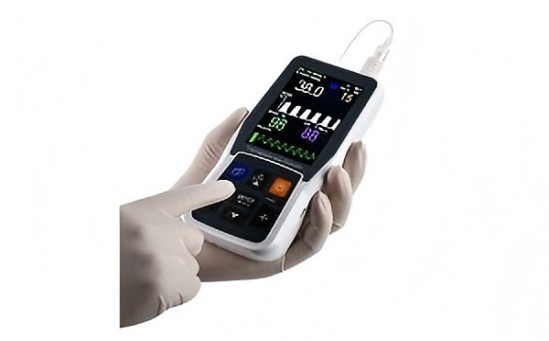
Hospital telemetry monitoring systems have revolutionized patient care by providing continuous monitoring of vital signs and allowing healthcare professionals to respond quickly to any changes in a patient's condition. These systems utilize advanced technologies to ensure patient safety and improve outcomes. In this article, we will discuss the advantages of Szpitalne systemy monitorowania telemetrii for patients, with a focus on the role of vital signs monitor, end-tidal capnography, and the overall benefits of these systems.
The role of vital signs monitor in Szpitalne systemy monitorowania telemetrii
One of the key components of a hospital telemetry monitoring system is the vital signs monitor. This device continuously tracks a patient's heart rate, blood pressure, respiratory rate, and temperature. By monitoring these vital signs in real-time, healthcare professionals can detect any abnormal variations or patterns that may indicate an underlying medical problem. This early detection allows for prompt intervention and reduces the risk of complications.
Kapnografia pływowa w szpitalnych systemach monitorowania telemetrii
End-tidal capnography is an essential feature of modern Szpitalne systemy monitorowania telemetrii. It measures the level of carbon dioxide in a patient's breath and provides valuable information about their respiratory status. This non-invasive method enables healthcare professionals to monitor the effectiveness of a patient's breathing and quickly identify any airway obstructions or abnormalities. By continuously monitoring end-tidal carbon dioxide levels, Szpitalne systemy monitorowania telemetrii can help prevent respiratory distress and assist in the management of patients on mechanical ventilation.
Korzyści ze szpitalnych systemów monitorowania telemetrii
Zwiększone bezpieczeństwo pacjentów
Szpitalne systemy monitorowania telemetrii zwiększają bezpieczeństwo pacjentów, zapewniając ciągłe monitorowanie i wczesne wykrywanie problemów medycznych. Umożliwia to pracownikom służby zdrowia szybką interwencję, zapobiegając zdarzeniom niepożądanym i poprawiając wyniki pacjentów.
Poprawiona wydajność kliniczna
By automatically collecting and analyzing vital signs data, Szpitalne systemy monitorowania telemetrii reduce the need for manual charting and documentation. This saves time for healthcare professionals, allowing them to focus on direct patient care and make informed decisions based on real-time data.
Szybka reakcja na krytyczne zdarzenia
Hospital telemetry monitoring systems can alert healthcare professionals when a patient's vital signs deviate from an acceptable range. This timely notification ensures that no critical event goes unnoticed and enables immediate intervention, potentially saving lives.
Bezproblemowa integracja z elektroniczną dokumentacją medyczną (EHR)
Hospital telemetry monitoring systems can seamlessly integrate with the hospital's electronic health records, allowing for centralized monitoring and streamlined documentation. This integration ensures that patient data is readily accessible, facilitating communication and collaboration among healthcare teams.
Poprawiony komfort pacjenta
Unlike traditional monitoring methods that require frequent manual measurements, Szpitalne systemy monitorowania telemetrii provide continuous and non-invasive monitoring. This reduces the need for multiple intrusive procedures, promoting patient comfort and satisfaction.
Systemy monitorowania telemetrii szpitalnej stały się nieodzownym narzędziem w nowoczesnej opiece zdrowotnej. W szczególności rola monitorowania parametrów życiowych i kapnografii na końcu pływów znacznie poprawiła bezpieczeństwo i wyniki pacjentów. Od zwiększonego bezpieczeństwa pacjentów i wydajności klinicznej po szybką reakcję po krytyczne zdarzenia, korzyści płynące z tych systemów są liczne. Wdrożenie szpitalnych systemów monitorowania telemetrii powinno być priorytetem dla instytucji opieki zdrowotnej, ponieważ mogą one zrewolucjonizować opiekę nad pacjentami i ratować życie.