


Rozwój nowoczesnego endoskopu
-
 2022-03-14
-
LEPU


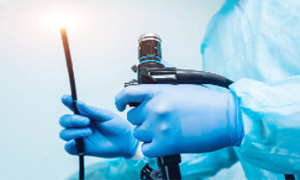
Wraz z rozwojem nauki i technologii, różne nowe technologie były szeroko stosowane w przemyśle medycznym, a coraz więcej technologii medycznych może bezpośrednio dotrzeć do lokalnych zmian bez większych urazów.
Na przykład nieinwazyjna chirurgia może wykorzystywać zasadę ultradźwięków do leczenia ludzkiego ciała bez nacięcia lub krwawienia; podczas terapii interwencyjnej, która integruje diagnostykę obrazu i leczenie kliniczne, może wprowadzić określone instrumenty do chorych części ludzkiego ciała w celu minimalnie inwazyjnej operacji poprzez naturalne pory lub małe rany ludzkiego ciała. Po zmianie ograniczeń technologii medycznej i poziomu w przeszłości choroby nie można było zdiagnozować i leczyć na czas, a wielu pacjentów przegapiło najlepszy czas na leczenie.
As a leading company in technology and services in the field of gastrointestinal endoscopy, we have been committed to the innovative research and development of medical devices, insisting on improving the level of diagnosis and treatment with advanced technology, and empowering the development of endoscopy through technological innovation. Today's endoscopy can not only detect early digestive system tumors and precancerous lesions, but also completely remove tumors through digestive endoscopy, avoiding the trauma and risks caused by laparotomy, and truly realizing the early prevention and early prevention of gastrointestinal diseases.
1. ścieżka wzrostu endoskopii: jasne i dokładne przywrócenie sceny żołądka
As early as 1950, the world's first intragastric camera was developed, which helped humans see the scene in the stomach for the first time, opened another door to the development of medicine and opened the road of exploration in the field of endoscopy since then.
Aby móc zobaczyć sytuację w żołądku w czasie rzeczywistym i intuicyjnie, w 1964 roku opracowano i uruchomiono kamerę żołądkową GTF wyposażoną w endoskop światłowodowy, aby zrealizować obserwację sytuacji żołądkowej w czasie rzeczywistym za pomocą wbudowanego endoskopu światłowodowego. Pojawienie się endoskopu światłowodowego zwiastuje również nadejście ery chirurgii małoinwazyjnej. Sprzęt wymagany do operacji może dokładnie dotrzeć do zmian w ciele przez kanał, co znacznie zmniejsza ból spowodowany operacją u pacjentów.
W 1985 roku opracowano elektroniczny endoskop, zastępując technikę obrazowania światłowodowego miniaturową technologią wykrywania obrazu. Czujnik obrazu, który przenosi, jest jak miniaturowa kamera, która może wyświetlać przetworzony obraz na ekranie monitora elektronicznego, prezentując wyraźniejszy obraz niż endoskop światłowodowy i może być oglądany przez wielu lekarzy w tym samym czasie, znacznie poprawiając dokładność diagnozy.
With the unremitting pursuit of clarity, in 2002, the world's first high-definition endoscopy system was further launched. With a high-definition display system and HDTV monitor as the core, it can provide higher quality and clearer images than ever before. As the core function of high-definition endoscopy system, Narrow Band Imaging (NBI for short) technology makes the changes of early cancer more obvious under special blue light irradiation, which provides great convenience for medical personnel to detect early cancer in time.
2. Ochrona pacjentów: sprawianie, że pacjenci nie boją się już endoskopii
Although gastroenteroscopy is recognized as an important tool for the examination of gastrointestinal diseases, there are still many people who are afraid of endoscopy and refuse to accept endoscopy because they consider it "uncomfortable and unsafe".
In fact, today's endoscopes have become soft and slender with the development of technology, and the diameter of the thinnest end of the endoscope is only 5 mm. The entire inspection process only takes about ten minutes, which can greatly reduce discomfort. Regular endoscopy can greatly reduce the probability of illness.
Not only that, from the point of view of comfort, we continue to innovate and improve endoscope products. RIT reactive insertion technology can improve the flexibility and ease of operation of endoscopes through intelligent bending and variable hardness technologies, and comprehensively assist the insertion of endoscopes, making the operation more convenient and flexible for doctors, and at the same time greatly reducing the burden of patient's pain.